Showing posts with label nexstar 6 se. Show all posts

Thursday, April 21, 2022

Observatory Log Update Celestron Nexstar 6SE Thursday April 21 2022

Observatory Log Update Celestron Nexstar 6SE Thursday April 21 2022
Update for the construction of a new Nexstar Outdoor Observatory using only simple available parts, materials and no tools

WATER BOTTLES
I now have 12 water bottles - one extra today. I don't know the liter capacity of a bottle but it appears I can down one bottle per day. So this is the data rate of expansion of the water bottle quantity per unit time. The greatest use of water is coffee, tea, drink mixes like potato and protein, other than pure water consumption. The number of empty bottles occurring per day will be monitored and increased if possible. If 50 bottles really are needed (the design may vary), that leaves another 38 required. At one per day accumulated, 38 more days are needed, or just under 6 weeks. If the rate can increase to two per day, that will take 19 days to collect the remainder of the bottles needed, just under 3 weeks in half the time.

BUNGEE CORDS
Bungee cords were ordered from two new companies and are not yet delivered to the door. However, one package will be small and small packages are held at the administration office. Since the admin has new workers, the bungees may not be delivered to the door. The Internet shows at least one package being delivered to the admin. Delivery of the first package is expected today and if it does not arrive, phone calls will be made.

Bungee Update 5:00 pm - After the phone call was made to the building administration, two packages were delivered to the door. One package has eight cords all the same size (19-inches). The 2nd package had only 2 cords (37-inches) and (48-inches). The old cord on hand is (57-inches) and appears to have lost some stretch. It can still be used by supplanting one or two 19-inch cords in the stream. I originally wanted five of each, however by connecting various lengths together, the existing cach of cords may be sufficient to fully complete the project.

WRAPPING
A simple method of wrapping and covering the observatory platform is needed to ward off intense solar radiation, pollution, wind, mist, rain, bugs, birds, dust, and the onslaught damp humidity. The platform will be bungee'd to the metal railing. A technique to insert the wrap tarp under the bungees will be needed. It's likely the solution will encompass keeping the wrap intact on the back under the bungee cords and inserting the protective flaps across the top and front.

ORDERS
Work is proceeding on solidifying the orders for the observatory telescope's accessories from a multitude of vendors. Orders are being handled one at a time. Currently the wait is for two orders for bungee cords. When this arrives in two packages, the next frame of order will include the solar observatory.

WEATHER
Weather is highly changeable as usual and has turned from cold, overcast and raining to a clear blue sunny sky with some patches of upper haze, entirely worthy of solar observations. Weather has completed defied the 10-day predictions and completely baffled the meteorologists to the happiness of local astronomers on the island.

HIGH RESOLUTION SOLAR OBSERVATORY
It has become imperative that we soon complete a new solar observatory, given the increasing number of clear sky days. The decision is not yet made in the purchase of a solar filter accessory. The problems are vendors not providing full information and not having access to full information. In lew of buying a fully equipped expensive solar telescope, a decision will be made soon to select an appropriate safe solar filter. The solar observatory is described in other postings and will be at level 1. Observations will be primarily under the classification of astro imaging with targets being the limb, granulation, sunspots, determination of solar flares and storms, transits and occultation of planets and satellites the ISS International Space Station. Additional studies may measure the variable changing size and shape of the sun, and the distances to the Earth. The telescope employed will be the new upgraded Celestron Nexstar 6 SE in potential amping modes for apertures of at least 6, 60 and 600 inches in diameter.

New Solar Observatory with the Celestron Nexstar 6-inch SE

Log Update Celestron Nexstar 6SE Thursday April 21 2022

Celestron Nexstar 6SE Log Thursday April 7 2022 - Solar Observatory

Astro Log for Monday April 11 2022

Monster Astro Projects - Observing the Sun

My Observatory Summary
Taiwan Skyscraper Rooftop Observatory - Venus Transit Across the Sun

StarryNight Solar Eclipse

Wednesday, April 20, 2022

Telescope Bag for Celestron

Telescope Bags for Celestron Nexstar 6 SE Telescope

Keeping track of small parts is very easy when using a travel bag that hangs from the tripod. The author has used two bags hooked onto the eyepiece holder at the center of the tripod for the Celestron Nexstar 6 SE. Multiple zippered pouches can encircle around the inside of the tripod. For example, the tiny bubble level goes into the zippered pouch after use and is never lost. Other items can include small tools, compass, cables, cords, connectors, more eyepieces, various accessories, and filters.

Monday, April 11, 2022

Set Up a Tiny Apple Astro Computer


Set Up a Tiny Astro Computer
When the requirements for an astro computer demanded a tiny footprint, I looked towards my mini ipad for help.

The Apple Mini iPad 4 is converted to a computer with added mouse, keyboard, case, removable digital SD storage, and the latest software configurations and astronomy apps. The  main astro app is Celestron SkyPortal which is said to remote control a Celestron telescope using WIFI. This will be tested with the SkyPortal device plugged into the AUX port of the Celestron Nexstar 6se to give the telescope WIFI capability.

One problem is the original Apple compass app that does not work on the new iPhone and this mini ipad. It was deleted and a different compass app was installed which is working just fine.  Problem solved! The tiny astro computer is set up to monitor time, battery charge, local sky conditions, temperature, weather forecast and air quality. 

It has links to all my web pages, two browsers, notes, social media for communications, translation, google, news, youtube for astro videos and tutorials, clock and calendar, compass, various writing software, files, voice memos, magnifier, and a dozen astro applications. It also has a great camera, Apple Photos for processing and storage, calculator, WeChat, and other apps for robots, computer programming, file management, rockets and FPV.

Wednesday, April 6, 2022

Celestron Nexstar 6 SE Remounting

Celestron Nexstar 6 SE Tripod Replace-ment

The deck observatory floor is too narrow with elevational step levels to accommodate Celestron's tripod for the Nexstar 6 SE telescope. 

The solution is found with an IKEA item of the proper diameter, thickness, shape and stability.

In one possible solution under consideration, the tripod is removed and the telescope GOTO mount sets on top of  a bar stool. The bar stool feet fit on the largest clear floor area so the telescope can operate remote and outdoors. The Celestron tripod for the Nexstar 6SE is a paramount of rock solid stability. It's unfortunate the wide stance of the extended tripod legs are not conducive to fitting on all deck and balcony floor space. However, the solid bar stool makes a good substitute. Unfortunately the bar stool is not high enough to peer over the deck railing and the idea must be discarded.

Deck 2 has a 16-inch width floor with a railing 49.5" high. The telescope is 16" from the base bottom to the top of the tube when pointed horizontal. The circular base is about 6.5" in diameter.

904.621.24 Ikea 2 is 15.4" wide and 29.2" tall. 

                   (16+29.2=45.2", 49.5-45.2=4")  
                   The legs will fit on the floor.
                   The height with telescope is 4-inches below the rail.
                   The bar stool is not tall enough.

Is there another solution using the tripod only?  Open the window door and insert one leg of the tripod through onto the far end of the deck floor butted up against the limit, while the remaining two legs are inside the room. The height is full tripod adjustable.

This laundry shelf unit is 37" tall and 14" wide, wire mesh, 3 shelves. The telescope will set (37+16=53" to the top of horizontal tube)
https://www.ikea.com/my/en/p/omar-1-shelf-section-grey-green-bamboo-s29401554/#content
This also is not tall enough. Aim for a 45" tall shelf unit (114 cm), the Ikea table is 30" high and 77 cm is 30". This is not tall enough.

Look for a shelf unit ideally from 44 to 46" tall. (112 - 117 cm)

Bookcase one may be too narrow and tip over too easily. This IKEA book unit 003.515.78


This is only 15.75-inches wide. Is wider available? The height is good at 41.75".


*** Purchased Sat. Apr. 9, 2022 online *** Bookcase two: Nine in stock. $66, this is 41.75" tall and a better more stable 31.5" wide. It's 11" deep and will fit the 16" deck floor. IKEA #403.515.81
Package is 19.4 kg or 43 lbs. The unit will be delivered and assembled.


Max load per shelf is 30 kg (66 lbs). The telescope OTA and the GOTO mount are about 22 lbs. at one third shelf load capacity. The surface is made from natural wood veneer. 

It has 2 adjustable shelves (adaptable space in between shelves). The base material is particle board, ash veneer, stain, clear acrylic lacquer. The back is fiberboard, foil. It sets on four plastic feet. 


You could slide this onto the deck for use and return indoors when finished or try bungi roping to the railing to prevent tipping (through the two openings at the top of the unit and then cover the unit with a motorcycle covering). 

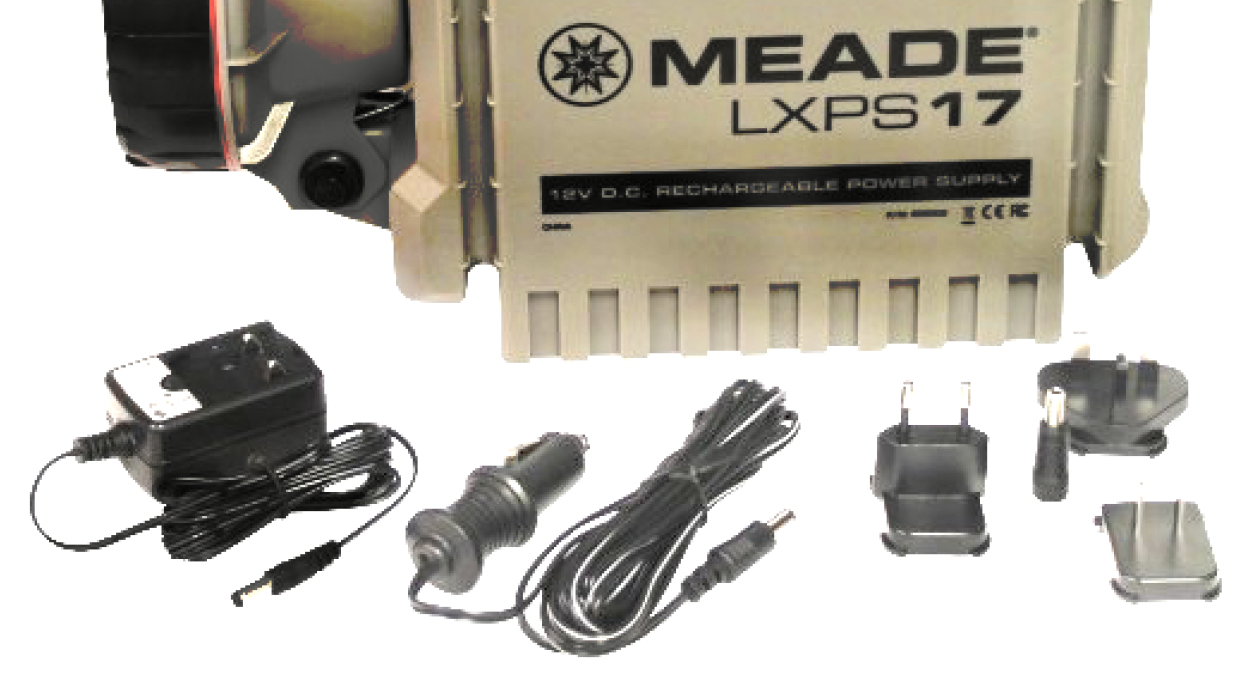
Add non-slip rubber cut to fit the top and duct tape on so wind or earthquake does not take it. Put the large Meade battery on the adjusted bottom shelf to add weight stability. Operate with the deck door slightly ajar to access the PC computer to control the CMOS camera initially. 

Manage the camera with the USB cable. The app SkyPortal on the iPhone 10 is not working because the compass does not work. However, the compass and app are working on an iPhone 5 smartphone. To remote the computer, use the iPhone 5 and app or a USB cable feed.

About the Meade Battery LXPS7 
Manufacturer part number: 606001. Meade Power Supply, 12V, 7 amp hour capacity. For field operation of a 12V telescope. The battery can manage the telescope and USB devices requiring power.

With Meade’s new LXPS 17 Rechargeable Portable Power Supply you can easily power your telescope and electronic devices in the field. 12V, with a massive 17 amp-hour capacity. Connect your equipment using the two included 12V cigarette lighter ports, two USB ports, or through the positive/negative terminals on the back. The LXPS includes a built-in circuit breaker and fused circuit to protect your valuable equipment. Includes both USA and international type AC adapter plugs so you’ll be able to recharge the LXPS anywhere you travel. The Meade LXPS also includes an adjustable super bright 30 LED spotlight and white flashlight with red filter attachment, perfect for setting up and tearing down in the dark. Additionally, the LXPS 17 includes an AM/FM radio, siren, and tethered detachable light. The LXPS can also be used for emergency situations like jump starting your car battery. With 17-amp hours, the LXPS 17 is the must-have accessory for star parties, long observing sessions and the dedicated astronomer.

Features a rechargeable lead acid 7AH battery and includes wall charger, LED charge level indicator, two 12V cigarette cord type outputs, power cord (cigarette plug type), hinged LED spotlight, hinged high output LED spotlight, flashlight with red lamp cover and strobe function, two USB outputs rated at 5V, built-in carry handle, shoulder carry strap, and one set of 12V output posts. Product is fuse protected with a replaceable fuse. Weight is 8.4 pounds. Size 11.3 x 9.3 x 5.2" / 28.7 x 23.6 x 13.2 cm.

Astroimaging Accessory - Compass for the Celestron Nexstar 6 SE Telescope


Astroimaging Accessory - Observatory Telescope Compass for the Celestron Nextstar 6 SE
This section of the Astroimaging website will examine accessories for the new Celestron Nexstar 6 SE. When designing an open measured sky view for local environments, a manual non-electronic compass is a very important accessory. The compass chosen serves telescopes, the marine industry, Boy Scouts, campers and the professional military.


The Eyeskey Optics Company model EK4076 handheld compass is of compact size and lightweight, easy to handle and carry. For night use, luminous dial and luminous magnet arrow, rotary 50mm dial with 360° scale. Accuracy is +- 0.5 degree. Made of high strength engineering metal, glass, and covered by enamel paint, which is capable of working under extreme weather conditions. The compass has a reading lens, aiming line, cover, graduated metric and imperial scales, cover, distance measuring notches, inclinometer, hinged, glass viewing portal, level bubble, threaded for tripod, wind rose, central support, 360-degree pivoting dial, reading adjustable eyepiece, north line with north arrow, metal hanging/holding ring, and case. Convex lens makes reading dial scale more clear. It has a lengthened proportion scale straightedge, and the cover can be flipped up and down 180-degrees to double the measuring range.

— a compass to vastly improve directional knowhow —

Fast and accurate homing/positioning time is 5 seconds. Waterproof and shakeproof, suitable for motoring, boating, camping, mountaineering, exploring, hunting and other outdoor activities Foldable metal lid. Floating compass dial with 360°scale. Luminous magnet arrow. Adjustable prism lens. Fine workmanship, attractive appearance, durability. With CM and INCH ruler on each side of the compass. Measures slope. To measure direction, longitude and latitude, horizontal and so on. Weight is 287 grams and size is 95x66x28 mm. Cost is approximately $25 shipped from China.

The astronomical compass was used to survey and determine the directions and dimensions of the open sky view from the observatory deck and is useful for the manual location of the Moon and planets from the directions of various environmental obstructions and to develop a mercator projection for the availability of clear viewing areas for future observations and studies. It can provide detailed and accurate data, determine the positioning of rising and setting of celestial objects, monitor times version cardinal directions, but only when not in the vicinity of cell phones, magnetic devices, magnetized metal, and other electronics.

The compass updates the Celestron Nexstar 6 SE telescope leveler and can provide a fast survey of the celestial night sky before observing. With this compass, directions will be known even if obscured by tall skyscrapers, mountains and other obstructions.

Tuesday, April 5, 2022

Astroimaging Venus & Celestron Nexstar 6 SE

Astroimaging Venus & Celestron Nexstar 6 SE

Venus, along with three other planets (Mars, Saturn and Jupiter) are now increasingly well positioned, rising in the Eastern sky, for observing and astroimaging. The totally new powerful Celestron Nexstar 6 SE telescope is being prepped and pruned for planetary visual observing and electronic digital photographic astroimaging. The 6-inch catadioptric has ultimate superb optics and calibration and is being run through the paces as an indoor telescope viewing through a single pane of high quality white window optic for observatory convenience.

On the morning of Wednesday, April 6, 2022, the telescope was positioned by the window but initially not close enough. Once it was moved very close to the window, the sky field of view was increasingly wide enough to take in the planets. Jupiter had not yet risen from behind a tall skyscraper to the left, but extremely bright Venus was an easy centered target. Dimmer Mars and Saturn to the upper right were more difficult to locate given all the extreme light pollution, air pollution, and upper atmospheric haze.

This marks the beginning of a spectacular lunar and planetary observing and astroimaging season with a new telescope that's very easy to align, fast & efficient to use, and a breeze to transport.

Mini Solar System Ephemeris
Sun: 31.9 arcmin, mag. -27.7
Moon: 30.1 arcmin, 23.2% illuminated, mag. -7.8
Jupiter: 33.6 arcsec, mag. -2.0
Venus: 20.6 arcsec, 57.7% illuminated, mag. -4.3
Saturn: 15.9 arcsec, mag. +0.9
Mars: 5.3 arcsec, 91.3% illuminated, mag +1.0

Celestron Nexstar 6 SE Accessory Eyepiece Box

Celestron Nexstar 6 SE Accessory Eyepiece Box
Humanoido has adapted a multi tier tool box for use as a powerful portable astro imaging eyepiece carry-all.

Move this adapted toolbox and place it next to the telescope at the observing site and instantly have access to every accessory needed.

The box is made from steel throughout and even includes a finish of the basic traditional orange Celestron SCT color! This matches the Celestron Nexstar 6 SE telescope OTA. The closed box has two strong tubular steel bars for carrying handles and holes for a lock.

For observing and astro image
sessions with the Celestron Nexstar 6 SE, the box is now equipped with a large assortment of eyepieces, barlows, focal reducers, CMOS imaging camera, atmospheric dispersion corrector, flip mirror, illuminated reticle, tripod, wifi adapter, and other necessities. Other things to be added in the future include cables and filters.

Left: PCHome sells the Treny double handle three tier toolbox sells at half price $27 for the 53-inch wide version, which includes shipping and handling. A smaller 42-inch version sells for $20.

To construct the Astro Imaging Accessory Eyepiece Box, a Treny toolbox was purchased without the tools. The simple modification included buying and cutting foam to cushion the floor of all the compartments. The only items used were a scissors and a black marking pen. The foam is already scored with many small subfacets for easy straight line trimming with a scissors. Just mark the length and width for each compartment.

Left: The Treny 53 x 20 x 20 cm toolbox was purchased from PCHome, arrived in less than 24 hours, and has a two for 15% off sale from the already half price sticker.

Left: Neat and clean when not in use, the eyepiece storage and accessory toolbox fits exactly onto an IKEA shelf. A second accessory toolbox may be needed to store adapters, visual backs, and other equipment which are not needed at every observing session.

I loaded up the tool box to the hilt with every useful accessory I could think of for the night's observing session with the new Celestron Nexstar 6 SE. The loaded box was strong to support the weight and carrying it was convenient and not too heavy. It's reassuring to know nothing is left behind and accessory changes no longer include the previous hunt and peck to find what you're looking for. Stay organized! When not observing, the accessory box sets onto a single shelf.

Left: In India, the toolbox is sold for tools or comes with sets of tools. This reviewer has a user supplied photo of how the box is being used.

PCHome Online Toolboxes

Index Celestron Nexstar 6 SE

Index Celestron Nexstar 6 SE

Index Celestron Nexstar 6 SE (with hand controller version)

Celestron Nexstar 6SE Fast Observing
https://otisastro.blogspot.com/2022/04/celestron-nexstar-6se-fast-observing.html

Singularity Observatory - Moved to a New Location (with Nexstar 6 SE dedication)
https://otisastro.blogspot.com/2022/04/singularity-observatory-moved-to-new.html

Celestron Nexstar 6 SE Looking Through Window Glass
https://otisastro.blogspot.com/2022/04/celestron-nexstar-6-se-looking-through.html

Celestron Nexstar 6 SE Notes & Tips
https://otisastro.blogspot.com/2022/03/celestron-nexstar-6se-notes.html

Celestron Nexstar 6 SE Unboxing
https://otisastro.blogspot.com/2022/03/celestron-nexstar-6-se-unboxing.html

Celestron Nexstar 6 SE Order
https://otisastro.blogspot.com/2022/03/celestron-nexstar-6-se-order.html

Celestron Nexstar 6 SE Planet Tracking
https://otisastro.blogspot.com/2022/03/celestron-nexstar-6-se-planet-tracking.html

Celestron Nexstar 6 SE Celestron Data
https://otisastro.blogspot.com/2022/03/celestron-nexstar-6-se-celestron-data.html

Celestron Nexstar 6 SE Dealer Data
https://otisastro.blogspot.com/2022/03/celestron-nexstar-6-se.html

Celestron Nexstar 6SE Fast Observing

Humanoido often does astro imaging in, between and around clouds. In this day photo taken with a smart camera, Taipei 101 helps frame the sky view. Clouds are often fast moving and can change positions significantly in a minute or two. Some upper level atmospheric clouds move at 1,000 mph.

Celestron Nexstar 6SE Fast Observing
The author Humanoido has invented Fast Observing, designed to do telescope image acquisition and the collection of data, observing, within fast opened slots that occur in the atmosphere.

Left: Humanoido adapted a multi-tier toolbox to hold accessories for rapid extraction during a fast astro imaging session. It's very easy to grab the eyepiece, barlow, focal reducer, the correct size spacer or reducer, a 1.25" or 2" accessory, a camera, or other.

This can include openings between clouds, cracks in clouds, the clear space surrounding clouds, and fast changing weather fronts. These fast observing time slots may last only a minute or two, or as much as 20 minutes, and can make the difference between doing astronomy during day or night or doing nothing at all. The key to this accomplishment is having the equipment ready and all the necessary accessories standing by or already installed. The telescope should be plugged into AC power and ready to boot up in a moment's notice. Camera and oculars can also be installed and ready. The telescope itself can be leveled and pointing in the right direction of the objects to be observed.

Singularity Observatory Weather Errant


Thursday, March 31, 2022

Celestron Nexstar 6 SE Notes & Tips

Celestron Nexstar 6 SE Notes & Tips
Weight (from Celestron)
8 lbs - Optical tube (OTA) without finder, star diagonal, eyepiece, visual back
11 lbs - Mount head
9 lbs - Tripod
12 lbs - Load capacity
Finder
Star Diagonal
25mm Plossl Eyepiece
1.25" Visual Back
Leveler
Lens Cover
AC Adapter


Small Accessories Pouch
Loop a zippered pouch around the tripods center large knob and fasten with a plastic clothes clip for easy removal. The bag will hold small accessories to include the tiny leveler, other optics and misc. items that don't fit the center tray. The bag hangs in the center of the tripod and increases stability.

Install a New Weightless Finderscope
(see photos) At about $5 from China, the nearly weightless black 80EQ 5x24 standard optical refractor finderscope (with mount, lenses, crosshairs, and focusable EP) is made by Celestron. Because this unit is all plastic with resin lenses, the weight is almost nothing and it has none of the challenges the red dot finder has which currently lists for $23.95. It comes with a mount for adjusting the finderscope with three setscrews.
New Celestron AC Adaptor Accessory
The telescope has no AC power adapter. Eight AA batteries (not included) are short lived. Non rechargeables don't work because they rate at 1.2 volts and eight would fall short of the recommended 12 volts. The recommended adapter does not have enough power to drive the telescope and all accessories. Therefore a 5 amp
Celestron adapter was purchased, item number 18780. It can handle astro imaging and additional equipment. In the future, this may include a dew heater, imager, focuser, etc. 

Routing the Power Cable
The barrel on the DC plug is supposed to thread directly onto the mounts power jack and prevent accidental power out from a cable pull out. However, the mount's jack is recessed too far into the telescope's mount and the DC plug won't thread onto it. To fix this, the power cord is wrapped once around the base of the mount arm with a small loop. This allows the cord to follow the mount and the DC plug won't pull out.

Red Dot Finder
The red dot finder was removed as it did not fit onto the slide mount already on the OTA. It was replaced with a lighter weight Celestron standard finderscope with crosshairs.


Japanese Hand Warmer
Try this Japanese hand warmer. Just open a packet and shake to activate. Provides a lukewarm heat for 24 hours. Works perfectly when equalizing the thermodynamic temperature differences between outdoors and indoors, or working outdoors.

Stop Light Pollution
The light pollution may be created by your own residence. Tall skyscrapers have a habit of turning on automatic timer lighting located high above outside decks. These lights are designed to make the skyscraper look beautiful at night. Typical residences have lighting on at 6:30 pm and off at 9:30 pm. Contact an electrician to have these lights and/or timer turned off. The good news is these lights are usually low wattage, around 15, so not very bright and they are hung on the bottom side of exterior deck small roof overhangs, so they are reachable though reaching one has a certain amount of risk. On the other hand, they are located on a small overhead overhang where the telescope never points, is easily shielded or just don't observe between 6:30 and 9:30 pm or whatever timing they have set. Generally they are somewhat insignificant when observing the Moon and planets at lower elevations and the light could be filtered out with a light pollution filter. When the telescope is positioned indoors for through window observing, the light may be automatically shielded and never seen.

Wednesday, March 30, 2022

Celestron Nexstar 6 SE Unboxing

Celestron Nexstar 6 SE Unboxing
On Tuesday March 29, 2022, the Celestron Nexstar 6 SE telescope arrived and was placed next to the door at about 11:45 am.

The approximately 45 lb box appeared set on its side to take up minimal space in the traffic hallway next to the owners home door. When moved, it made a frightening rattling and broken glass sound. As it was marked 2-people lift, it was carried in by two people and correctly set on its bottom.

The box itself had incurred some damage and had been carefully covered over with clear strapping tape. It had a couple puncture wounds on the top lid, also covered with tape. The box was opened once or twice from the time of its original sealing. All things considered it appeared in relatively nominal condition after traveling from the USA, to South Korea, to Hong Kong, and finally to Taiwan.


The side of the box had a rather large deep incursion which was mended with clear strapping tape. 


The box top had received two puncture wounds shown on the right side of the lid as shown in this photo.


With pure luck, these two puncture wounds did not penetrate the second sealed boxing layer. So far, the telescope and tripod were packed well in these two boxes and were protected from any visible damage at this stage in the unboxing.


Opening the inside large box revealed a series of smaller boxes. From left to right counterclockwise, the boxes contained the telescope mount, the optical tube assembly (OTA), a cardboard spacer, and the box holding the eyepiece, finder, and star diagonal.


When opened, the tube assembly was found connected to the mount, connected on the arm. Two pieces of protective foam encircled this part of the telescope.

The tripod was another story. As seen at the top in the photo, the pointy side of the legs had dug into the protective foam, gouging out a large area.

To the left in another box was the wrench and the tripod leg spacer plate.


The box aat left contained a 25mm Celestron Plossl eyepiece, a Celestron 1.25-inch diagonal mirror, and a red dot finder found to not fit onto the already installed slide mount on the OTA.

Now it was time to set the parts on the table and inspect in more detail.

In the next post, we'll learn more about the alarming broken glass sound.


Tuesday, March 29, 2022

Celestron Nexstar 6 SE Order


Celestron Nexstar 6 SE 150mm f/10 Schmidt Cassegrain GoTo Telescope Order

The order was placed online 3/22/2022 with B&H in the USA because their telescopes were in stock and they shipped to Taiwan. The telescope ($1099) was ordered with Celestron's 5-Amp AC Adapter ($85.95). This came to $1184.95 subtotal with International DHL Express shipping $113.81 and duties and tax at $107.33 for a total of $1406.09. Estimated delivery time was 4 to 7 days. In the final analysis, the package arrived in 7 days on Tuesday. B&H shipped the order the same day it was placed. The next option for shipping at 3-5 business days, not chosen, was Fed-ex at $227.81.

B&H included free, a Nitecore Tube v2 LED Keychain Flashlight (white light) and a Celestron 1.25" Moon Filter. Unfortunately after ordering and the order was shipped, the same web site suddenly reflected a telescope price at $999 instead of $1099. B&H was contacted by the online form with no reply. Then the message was sent by email and a resolution has not yet arrived as of Thursday March 31. The telescope arrived Tuesday morning at 11:45am local time. Several calls were placed to DHL Taiwan regarding the shipment when in transit due to some very strange tracking reports coming out of Hong Kong. More on this later.

The package appeared outside in the hallway, set by the door. It was lifted and carried into the room by 2 people. When lifted, it made a sound like the jingling of broken glass. The single box weighed about 45 lbs. When unboxed, the set screw on the visual back had come loose and was jiggling around but nothing was harmed or scratched. The order was divided into two boxes, one for the telescope and one for the AC Adapter. The AC power adapter had arrived on Monday, a day earlier in a small box.

Tracking reports were maddening. At first, they indicated the shipment running in a circle and going to and from repeat states. It seemed to take ages to leave the country. The reports continuously reported it would clear customs during transit. Apparently that never happened. It went from state to state and eventually ended up in South Korea. After Korea, it was shipped into Hong Kong where COVID is a big problem. Suddenly the reports became strange. They claimed an accident happened and authorities would permanently hold the package until the law was changed or otherwise. Another oddity, each time the tracking report was reviewed, the shipping agency rewrote the tracking steps. It seemed the package would be destroyed along with the plane and the delivery man died. Putting these horrors aside, phone calls were made to the Taiwan agency where they said it would be delivered on Monday. On Monday, only the AC adapter was received and the telescope was still stuck in Hong Kong, permanently, they said. It was surmised the small box caught one plane and the big box waited for the next plane. It finally arrived in Taiwan and was cleared, then sent out for delivery on Tuesday morning.

Photos were taken showing the unboxing and later the telescope was assembled. The red dot finder did not fit onto its slide mount and was set aside along with the slide mount that was removed from the OTA. A different Celestron lightweight finderscope was mounted on the OTA. The retainer on the power cord had no room to lock onto the power jack on the telescope mount so the cord was wrapped around the base of the mount arm. Batteries were installed so the tube could be moved to a better position. After selecting English on the hand controller, the tube moved by pressing the arrow buttons. The tripod was extended and leveled using the tiny bubble level. The plan is to add a zippered pouch to prevent losing the parts.

The star diagonal was attached and the 25mm Plossl eyepiece inserted. Do not set anything on the battery compartment lid as it curves and things will fall off. When the power is on, the hand controller is lit. Be sure to turn off the power when working on the telescope to save batteries. As this telescope will, for the most part, focus on the Moon and planets, a Bahtinov mask is not needed. However, the reason the more powerful AC adapter was chosen is because the telescope will be expanded with accessories that draw more power such as the WIFI module, dew heater (or hair dryer) and Motor Focuser. Visual inspection shows a superbly crafted telescope without any obvious flaws.

The night is overcast so an optical analysis will need to wait. As the viewing sky is limited to a small east section obscured by a short roof and tall skyscrapers to the left and right, two and three star alignment will not work, therefore the telescope must compensate by using Solar System Alignment. As the site is extremely light polluted and no stars may be visible, this is likely the only viable option. On some nights when the haze is less, a few stars may become visible and the one star alignment may work. All in all, this is the perfect telescope for these urban light polluted and hazy sky conditions.

Sunday, March 27, 2022

Celestron Nexstar 6 SE Planet Tracking

Celestron Nexstar 6 SE Telescope Planet Tracking
The Celestron Nexstar 6 Inch SE will align on one solar system object such as the Moon or a planet. This is very helpful when your viewing sky is limited to only East for example and there may be a small roof obstruction overhead and wall obstructions to the left and right. This is often the case when observing from tall skyscrapers. There may be other large skyscrapers randomly blocking parts of the view. The skyscraper itself may block North and any alignment to the North Star. Aligning on a single solar system object will remedy this. The Celestron Nexstar 6 SE comes to the rescue with SkyAlign and the Solar System option. Photo Note: only a small finderscope is needed on the main telescope, and not the StarSense AutoAlign as shown.

Here are the details for a simple Solar System Align, and projects for experimenting with other techniques.

* Solar System Align
* One Star Align
* Sync
* (Sky Limits) Slew Limits
* (Sky Limits) Filter Limits

SOLAR SYSTEM ALIGN
Solar System Align is designed to provide excellent tracking and GoTo performance by using solar system objects (the Sun, Moon and planets) to align the telescope with the sky. Solar System Align is a great way to align your telescope for daytime viewing and a quick way to align the telescope for basic nighttime observing.

WARNING: Never look directly at the Sun with the naked eye or with a telescope (unless you have the proper solar filter). Permanent and irreversible eye damage may result.

To perform a Solar System Align
1 - Once the telescope is powered on, use the SCROLL UP and SCROLL DOWN buttons to select Solar System. Align Press ENTER
The hand control will display the last time and location information that was entered into the hand control. Press ENTER to accept the current information or press BACK to manually edit the information (see SkyAlign section on page 10 for detailed instruction on entering time/site information).

2 - The SELECT OBJECT message will appear in the top row of the display. Use the SCROLL UP and SCROLL DOWN buttons to choose a Solar System object (a planet, the Moon, etc ) to use for alignment. Press ENTER

3 The hand control will then prompt you to use the direction arrow buttons to slew the telescope to the alignment object and carefully center it in the finderscope. Press ENTER when centered.

4 Then, center the object in the eyepiece. Press ALIGN

Once in position, the NexStar SE will model the sky based on this information and display “Align Successful”

EXPERIMENT WITH ONE STAR ALIGN
In case you have only one star and no solar system objects: One-Star Align requires you to input all the same information as you would for the Two-Star Align procedure. However, instead of slewing to two alignment stars for centering and alignment, the NexStar uses only one star to model the sky based on the information given. This will allow you to roughly slew to the coordinates of bright objects like the moon and planets and gives the NexStar SE the information it needs to track objects in altazimuth in any part of the sky. One-Star Align is not meant to accurately locate small or faint deep-sky objects or to track objects accurately for photography. 

EXPERIMENT WITH SYNC
The Sync feature can improve your telescope’s pointing accuracy in a specific region of the sky. Sync is a very useful feature when used in conjunction with the Constellation Tour and Identify features, in which you will be exploring smaller areas of the sky. To Sync on an object:

1 - Select a desired star (or object) from the STARS or DEEP SKY database and slew to it.

2 - Once the object is centered in the eyepiece, press the BACK button until you arrive at the main menu

3 - When the display reads “NexStar SE,” press the ALIGN button on the hand control.

4 - Use the SCROLL UP and SCROLL DOWN buttons and select the Sync option. Press ENTER

5 - Align the Sync object in the center of the finderscope. Press ENTER

6 - Carefully center the object in the eyepiece. Press ALIGN

Your telescope’s pointing accuracy will now be improved in that area of the sky.

EXPERIMENT WITH SKY LIMITS
SLEW LIMITS This option allows you to define how far the telescope can slew in altitude without displaying a warning message. The slew limits prevent the telescope tube from slewing to an object below the horizon and can be customized to suit your equipment setup. If you are using a large eyepiece, 2” diagonal, or camera on the rear of the telescope, you may need to adjust the slew limits to prevent the rear accessories from striking the base of the telescope mount. For example, if you would like to slew to an object that is close to the zenith but you have a large camera attached that prevents the telescope from pointing straight up, you can set the maximum altitude to 80 or 85 degrees to prevent the tube from ever pointing straight up and the camera from striking your mount.

FILTER LIMITS When an alignment is complete, the hand controller automatically knows which celestial objects are above the horizon. As a result, when scrolling through the database lists (or selecting the Tour function), the NexStar hand control will display only those objects that are known to be above the horizon when you are observing. You can customize the object database by selecting altitude limits that are appropriate for your location and situation. For example, if you are observing from a mountainous location where the horizon is partially obscured, you can set your minimum altitude limit to +20 degrees. This will ensure that the hand control only displays objects that are higher in altitude than 20 degrees.

Reference: Nexstar SE Instruction Manual

Friday, March 25, 2022

Celestron Nexstar 6 SE Celestron Data

Celestron Nexstar 6 SE - Celestron Data

What does the Celestron website say about their own Nexstar 6 SE? Let's review the data before it disappears.
https://www.celestron.com/products/nexstar-6se-computerized-telescope

NEXSTAR 6SE COMPUTERIZED TELESCOPE Item #: 11068
Celestron’s iconic “orange tube” design is updated with all the latest features to provide the best stargazing experience for beginners and experienced observers alike.

6-inch aperture with excellent light-gathering ability provides impressive views of the Moon and planets, along with deep sky objects like the Orion Nebula, while retaining a compact form factor.

Fully automated GoTo mount with database of 40,000+ celestial objects automatically locates and tracks objects for you.

SkyAlign technology gets your telescope aligned and ready to observe in minutes. Even if you’re unfamiliar with the night sky, you can easily align your telescope on any three bright objects.

Unique single fork arm design and sturdy steel tripod all break down into separate components for easy transport and quick assembly.

Celestron’s signature orange-tube telescope combines advanced features and excellent optics in one easy-to-use system, the NexStar 6SE. It’s the perfect choice for your first serious telescope, offering striking views at an economical price.

Our Founder’s Vision, Reimagined for the 21st Century
In the 1970s, Celestron’s Schmidt-Cassegrain telescopes brought the hobby of astronomy to the masses and established Celestron as the world’s premier telescope maker. Our founder, Tom Johnson, invented Celestron’s proprietary method of producing Schmidt corrector plates for superior views and maximum portability. Johnson believed in creating high-quality optical instruments at an affordable price, and inspired a generation of amateur astronomers. Four decades later, we’ve improved upon this design by adding cutting-edge features, while staying true to our founder’s intent.

View the Universe’s Most Impressive Celestial Objects
The 6SE’s six-inch primary mirror packs enough light-gathering ability to observe the best that the solar system has to offer: Cassini’s Division in Saturn’s rings, the cloud bands on Jupiter, and geographic features on the surface of the Moon. When it comes to deep sky objects, take your 6SE to a dark-sky site and you’ll see hundreds of pinpoint stars in the Hercules Globular Cluster, the spiral arms of the Whirlpool Galaxy, and more.

Revolutionary Single Fork Arm Mount
We know the best telescope is the one you will use most often. That’s why Celestron’s engineers created NexStar SE’s unique, patented single fork arm mount. It’s perfectly portable and makes setup quick and easy. What’s more, the NexStar SE breaks down into several lightweight and compact pieces, making it easy to transport, even in small vehicles. You’ll have no problem getting the NexStar SE to your favorite observing site, or setting it up quickly in your backyard.

Of course, it’s what’s inside the mount that really counts. Sturdy construction from high-quality components give NexStar SE the pointing and tracking accuracy needed to observe and follow your favorite targets with push-button ease. Use the included NexStar+ hand control to locate over 40,000 celestial objects, or take a Sky Tour and let your telescope show you the best objects currently visible.

Aligning your telescope is simple and painless, too, thanks to SkyAlign. This process makes alignment as easy as 1-2-3: just center three bright objects in your eyepiece and press ALIGN. For even easier alignment, attach our StarSense AutoAlign and your NexStar SE aligns itself!

Advanced Features Let the NexStar SE Grow with You
The NexStar SE is compatible with all the high-tech accessories advanced users love. Provide GPS coordinates to your telescope with SkySync, or add automatic alignment functionality with StarSense AutoAlign.

For planetary imaging, pair your NexStar 6SE with one of our Skyris cameras. Or, experiment with wide-field deep sky astroimaging by replacing the telescope’s secondary mirror with a DSLR or astronomical CCD camera with a Fastar/HyperStar lens assembly. From your first observing session and for years to come, the NexStar SE is your trusted companion.

Specifications
OPTICAL TUBE INFO
Optical Design: Schmidt-Cassegrain
Aperture: 150mm (5.91")
Focal Length: 1500mm (59")
Focal Ratio: f/10
Focal Length of Eyepiece 1: 25mm (.98")
Magnification of Eyepiece 1: 60x
Finderscope: StarPointer™ red dot finderscope
Star Diagonal: 1.25" Star Diagonal
Optical Tube: Aluminum
Highest Useful Magnification: 354x
Lowest Useful Magnification: 21x
Limiting Stellar Magnitude: 13.4
Resolution (Rayleigh): 0.93 arc seconds
Resolution (Dawes): 0.77 arc seconds
Light Gathering Power (Compared to human eye): 459x
Secondary Mirror Obstruction: 56mm (2.2")
Secondary Mirror Obstruction by Diameter: 37%
Secondary Mirror Obstruction by Area: 14%
Optical Coatings: StarBright XLT
Optical Tube Length: 406mm (16")
Optical Tube Diameter: 181mm (7.1")
Optical Tube Weight: 8 lbs (3.6 kg)

MOUNT INFO
Mount Type: Computerized Altitude-Azimuth Single Fork Arm
Instrument load capacity: 12 lbs (5.44 kg)
Height adjustment range (includes mount and tripod): 965.2mm - 1422.4mm (38" - 56")
Tripod leg diameter: 38.1mm (1.5") Stainless Steel
Mount Head Weight: 11 lbs (5 kg)
Accessory Tray: Yes
Tripod Weight: 9 lbs (4.08 kg)
Slew Speeds: 9 slew speeds - max speed 5°/second
Tracking Rates: Sidereal, Solar and Lunar
Tracking Modes: Alt-Az, EQ North and EQ South
GPS: N/A
Dovetail Compatibility: CG-5 dovetail
Number of Auxiliary Ports: 1x AUX Port
Autoguide Port: Yes
USB Port: Yes, Hand Control input
Power Requirements: 8-AA batteries (not included) and 12 VDC-750 mA (Tip positive)
Motor Drive: DC servo motors
Alignment Procedures: SkyAlign, 1-Star Align, 2-Star Align, Auto 2-Star Align, Solar System Align, EQ North / EQ South Alignment (EQ align requires an equatorial wedge)
Periodic Error Correction: No
Computerized Hand Control: Double line, 18 character Liquid Crystal Display with 19 fiber optic backlit LED buttons
NexStar+ Database: 40,000 objects, 200 user defined programmable objects. Enhanced information on over 200 objects
Software: Celestron Starry Night Special Edition Software and SkyPortal App
Total Kit Weight: 21 lbs (9.5 kg)
Included Items: Optical tube
Single Fork Arm Mount and Tripod
Accessory Tray
Star Pointer Finderscope
NexStar+ Hand Control
25mm eyepiece
Star Diagonal
Solar Warning
Never look directly at the Sun with the naked eye or with an optic (unless you have the proper solar filter). Permanent and irreversible eye damage may result.
Never use your optic to project an image of the Sun onto any surface. Internal heat build-up can damage the optic and any accessories attached to it. Never leave your optic unsupervised. Make sure an adult who is familiar with the correct operating procedures is with your optic at all times, especially when children are present.

Finderscope
Celestron is making a change to the finderscope shipped with some Celestron telescopes. In some cases, you may receive a finderscope that is different in appearance than the one pictured on the gift box, manual, Quick Setup Guide, or website. We apologize for any inconvenience this may cause. Rest assured that the finders are identical in performance and features. The main difference is the location of the battery compartment and, therefore, the battery installation instructions.

If your red dot finderscope looks like the unit pictured here, you can ignore this message.


If you received a red dot finderscope that looks like the unit pictured here, follow the instructions below to replace the battery:


1. The battery compartment on this finderscope is located on top of the unit. Use a Phillips-head screwdriver to loosen the screw holding the battery door closed. The screw is captured and will not fall out when you open the battery door.

2. Lift the battery door open to expose the CR-2032 button battery.
3. With your fingernail on either side of the battery, pry the battery up and out of the battery compartment.

4. Place the new CR-2032 battery, positive (+) side up, under the two copper battery clips at the front of the battery compartment.


5. Press the battery down to snap it into the plastic battery clips on the opposite side of the battery.

6. Close the battery door and tighten the Phillips-head screw to secure the door in place.

Aligning your telescope is simple and painless, too, thanks to SkyAlign. This process makes alignment as easy as 1-2-3: just center three bright objects in your eyepiece and press ALIGN. For even easier alignment, attach our StarSense AutoAlign and your NexStar SE aligns itself!

Support & Downloads
MANUALS:

NexStar 6 SE and 8 SE Quick Setup Guide

https://celestron-site-support-files.s3.us-east-1.amazonaws.com/support_files/11068_11069%20NexStar%206_8%20SE_QSG_5Lang_F.pdf

Schmidt-Cassegrain Optics Manual
https://s3.amazonaws.com/celestron-site-support-files/support_files/1299179004_91024inst0405.pdf

NexStar 6SE and 8SE Manual
https://celestron-site-support-files.s3.us-east-1.amazonaws.com/support_files/11068-11069_6SE-8SE_Telescope_Manual_5lang_Interactive%20Web.pdf

NexStar Plus Hand Control Manual
https://s3.amazonaws.com/celestron-site-support-files/support_files/nexstar_plus_hc_Addendum_5lang.pdf

Celestron PWI Telescope Control Software Manual
https://celestron-site-support-files.s3.us-east-1.amazonaws.com/support_files/CPWI%20Software%20Manual_0620_Final.pdf

SOFTWARE & FIRMWARE:
NexRemOte Telescope Control Software
https://celestron-site-support-files.s3.amazonaws.com/support_files/NexRemoteInstall_1_7_24.exe

Celestron Firmware Manager (CFM) Software
https://cdn.shopify.com/s/files/1/1935/4371/files/CFM.zip?v=1613761655

CPWI Software
https://www.celestron.com/pages/celestron-pwi-telescope-control-software

OTHER PRODUCT FILES:
Celestron NexStar+ Hand Control Troubleshooting Guide
https://celestron-site-support-files.s3.us-east-1.amazonaws.com/support_files/Celestron%20NexStar%2B%20Hand%20Control%20Troubleshooting%20Guide.pdf

What are the Sizes of Collimation Screws
https://www.celestron.com/blogs/knowledgebase/what-are-the-sizes-of-collimation-screws-on-current-production-celestron-optical-tubes

NexStar SE Telescope Basic
https://celestron-site-support-files.s3.us-east-1.amazonaws.com/support_files/NexStar_SE_Telescope_Basics_Interactive_Manual_Eng.pdf

Solar Safety Warning
https://www.celestron.com/blogs/knowledgebase/solar-safety-warning

How to Align a Red Dot Finder to Your Telescope Video
https://www.youtube.com/watch?v=Dp4_TGhU-0w

NexStar SE Additional Specifications
https://celestron-site-support-files.s3.us-east-1.amazonaws.com/support_files/NexStar%20SE%20Series%20additional%20specifications.pdf

SCT & EdgeHD Collimation Guide
https://celestron-site-support-files.s3.us-east-1.amazonaws.com/support_files/SCT%20%26%20EdgeHD%20Collimation%20Guide%281%29.pdf

How to Determine Which Eyepieces to Use with Your Telescope
https://www.celestron.com/blogs/knowledgebase/how-to-determine-which-eyepieces-to-use-with-your-telescope

NexStar Communication Protocol v 1.2
https://s3.amazonaws.com/celestron-site-support-files/support_files/1154108406_nexstarcommprot.pdf

Astronomy Basics
https://s3.amazonaws.com/celestron-site-support-files/support_files/1297798410_astronomybasics.pdf

Telescope Maintenance
https://s3.amazonaws.com/celestron-site-support-files/support_files/1297801919_telescopemainte.pdf

Celestial Observing
https://s3.amazonaws.com/celestron-site-support-files/support_files/1297801590_celestialobserv.pdf

Celestron Tech Support
Email: USTechSupport@celestron.com
Phone: 1-800-421-9649

03/16/22
THE ULTIMATE GUIDE TO CONQUERING THE MESSIER MARATHON

02/17/22
WHAT IS LIGHT POLLUTION AND HOW DOES IT AFFECT VIEWS THROUGH MY TELESCOPE?

11/18/21
DEEP SKY CELESTIAL CATALOGS

11/18/21
DEEP SKY OBJECTS – NEBULAE, GALAXIES, STAR CLUSTERS

11/18/21
WHAT IS UTC? HOW CAN I USE IT TO OBSERVE OBJECTS?

11/18/21
SOLSTICES AND EQUINOXES: WHAT EVERY AMATEUR ASTRONOMER NEEDS TO KNOW

11/08/21
CELESTRON NEXSTAR+ HAND CONTROL TROUBLESHOOTING GUIDE

10/20/21
THE ULTIMATE GUIDE TO OBSERVING ARTIFICIAL SATELLITES

10/04/21
HOW DO I ADJUST THE LCD CONTRAST IN THE STARSENSE HAND CONTROL?

10/01/21
HOW DO I ADJUST THE CONTRAST FOR THE TEXT DISPLAY IN THE NEXSTAR+ HAND CONTROL?

MORE